
Best Smart Glasses Brands to Consider in 2026
Smart glasses are no longer just a futuristic novelty. They now sit across several different categories, and that is the first thing most buyers need to understand before spending money. Some smart glasses are built around AI, voice, audio, and hands-free photos. Others are designed to act like a private display for gaming, films, work, and travel. A few brands are trying to make smart glasses feel more discreet, more professional, or simply easier to wear every day.
That is why the smart-glasses market can feel confusing right now. The good news is that buyers finally have real choice. The category is growing quickly, with global smart-glasses shipments rising sharply in late 2025, and Meta emerging as the clear leader in mainstream AI smart glasses.
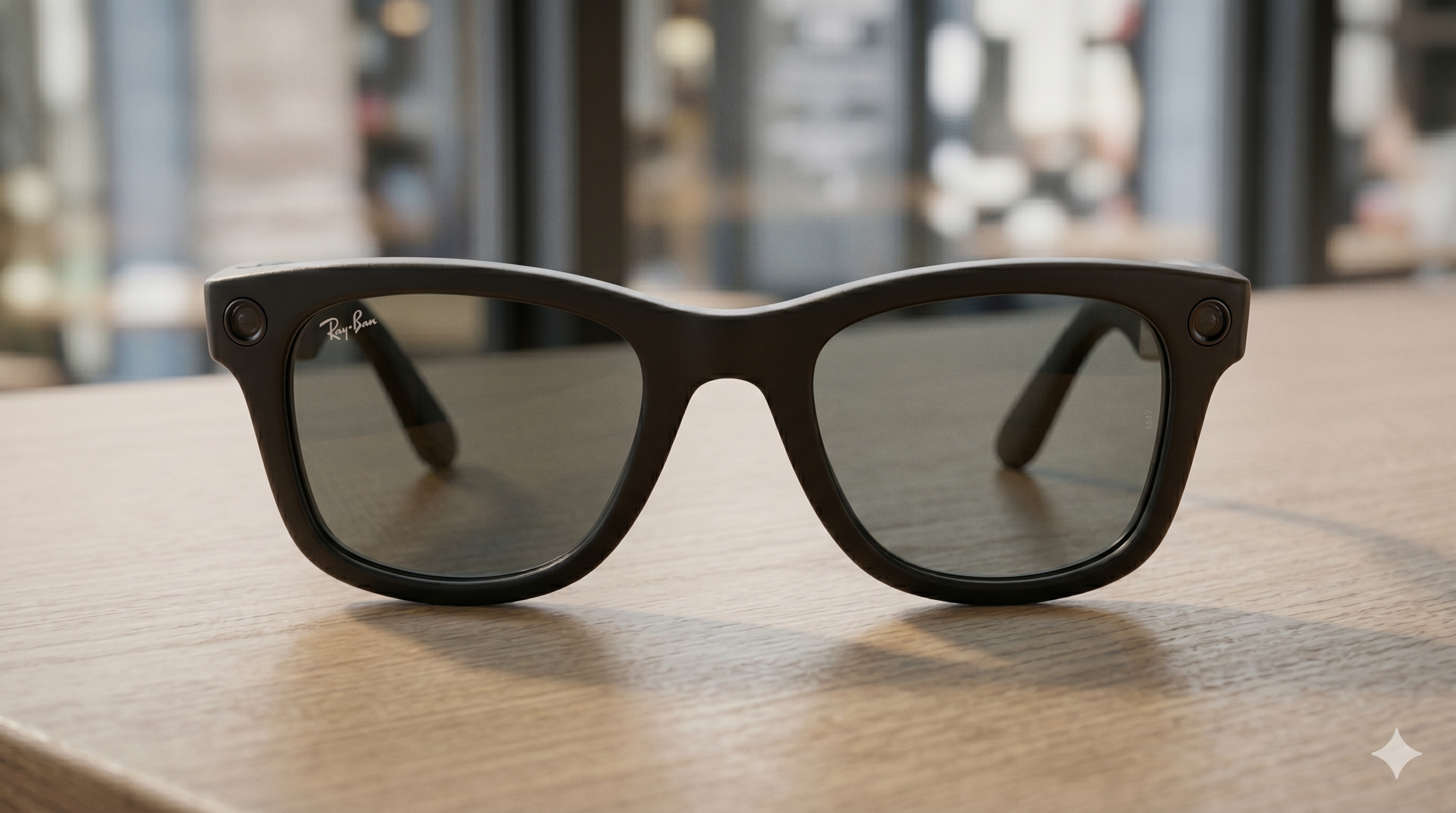
For most people, the safest place to start is still Ray-Ban Meta, and the Ray-Ban Meta Wayfarer (Gen 2) remains the strongest “main pair” to build this page around. It has the broadest mainstream appeal, the easiest style to wear, and the clearest blend of fashion, functionality, and familiarity. If a reader wants one pair that feels like a real-world smart-glasses purchase rather than an experiment, this is the one that makes the most sense. Ray-Ban’s UK range includes the Wayfarer, Skyler, and Headliner styles, all sold as part of the Ray-Ban Meta family.
Ray-Ban Meta
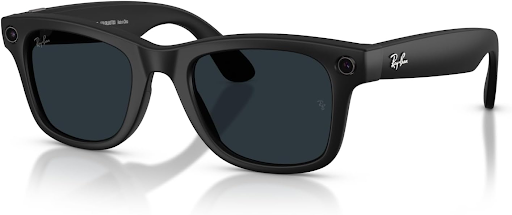
Ray-Ban Meta is the most mainstream-looking option in this roundup. That matters more than many people realize. These are not the smartest-looking glasses in the “tech” sense. They are the smartest-looking glasses in the everyday sense. They look like glasses people would already wear, which is one big reason they have become the category’s reference point.
The Ray-Ban Meta range is ideal for buyers who want a balance of style and technology. You get AI features, camera capability, audio, voice control, and a frame that still feels socially wearable. The biggest emotional pull here is simple: these are the glasses people buy when they want smart glasses without looking like they are trying too hard. Buyers who care about appearance, convenience, and a trusted brand name usually lean toward Ray-Ban Meta first.
The Wayfarer is the most natural main pick because it is the most universally wearable. The Headliner has a slightly more distinct shape for people who want something less common, while the Skyler feels lighter and more fashion-led.
Best for: everyday use, casual capture, calls, and audio in frames that look normal.
Common complaints: still not a replacement for your phone camera, battery depends heavily on recording, and some people feel awkward using camera glasses in public.
Type: AI camera smart glasses
Oakley Meta
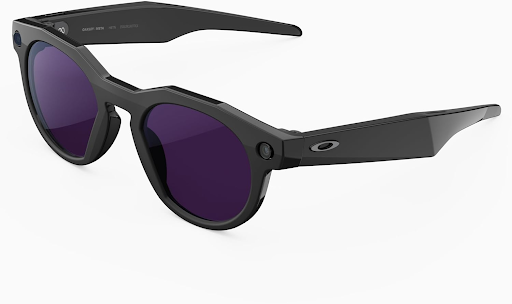
Oakley Meta makes the most sense for readers who want smart glasses to feel more active, sporty, and outdoor-ready. Where Ray-Ban Meta feels urban and lifestyle-first, Oakley Meta feels like it belongs on the move. Recent review coverage of the Oakley Meta Vanguard highlights its 3K camera, stabilization, open-ear speakers, and Garmin and Strava integration, which immediately gives it a more performance-oriented identity.
The Oakley Meta HSTN are more versatile, lifestyle-focused glasses, better for daily wear and casual activities.
This is the brand for people who cycle, run, hike, or train outdoors and want their glasses to feel like part of that lifestyle rather than an everyday fashion piece. Users who prefer Oakley Meta are likely to be drawn to the sportier look, the athletic branding, and the idea of hands-free recording without wearing a separate action camera. These glasses are easier to imagine in motion, in bright weather, and in active use.
If Ray-Ban Meta says “smart glasses for normal daily life,” Oakley Meta says “smart glasses for movement.”
Best for: runners, cyclists, and outdoor users who want hands-free capture plus audio.
Not ideal for: buyers looking for one pair that works equally well for office, fashion, and sport.
Type: sport smart glasses
XREAL
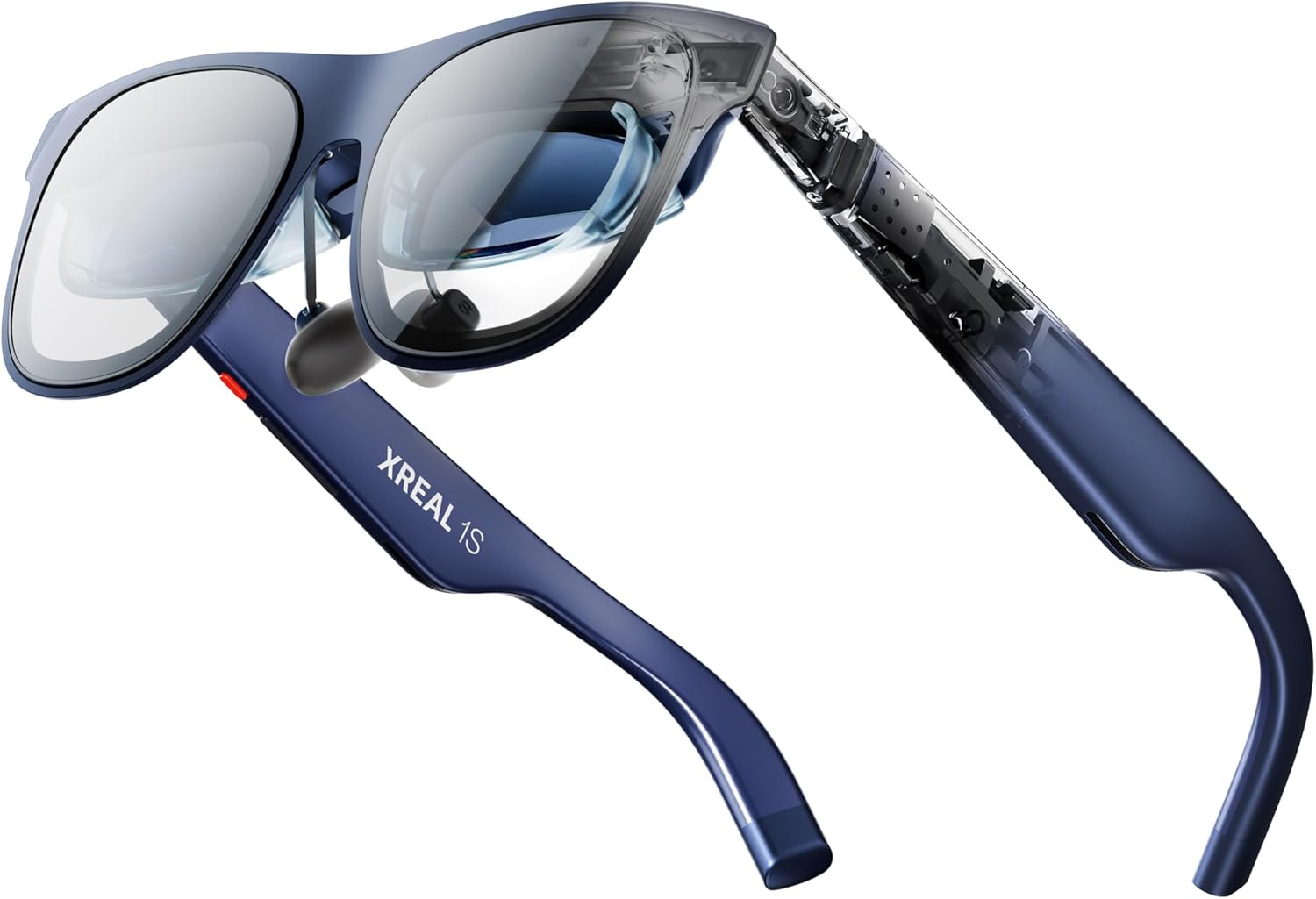
XREAL is one of the strongest names in AR display glasses, and it is important to understand that this is a different type of smart-glasses experience. XREAL is not mainly about taking hands-free pictures in public or listening to music while walking around. It is about putting a private screen in front of your eyes for work, films, gaming, and travel.
The XREAL 1S has been praised as the best AR glasses you can buy right now, with a strong display, sleek design, and practical appeal for gamers and power users. The XREAL One Pro pushes harder into premium AR territory.
Users who choose XREAL usually care more about immersion than about camera features. They want something that feels like a portable cinema, a wearable second screen, or a private productivity display. If a buyer’s first thought is, “I want the biggest, best-looking screen effect in glasses form,” XREAL is one of the first brands they should check.
Reality check: XREAL is best thought of as a private screen for films, gaming, and work.
Common complaints: compatibility caveats, wired use, and for some users blurry edges or cut-off corners.
Type: AR/XR display glasses
RayNeo
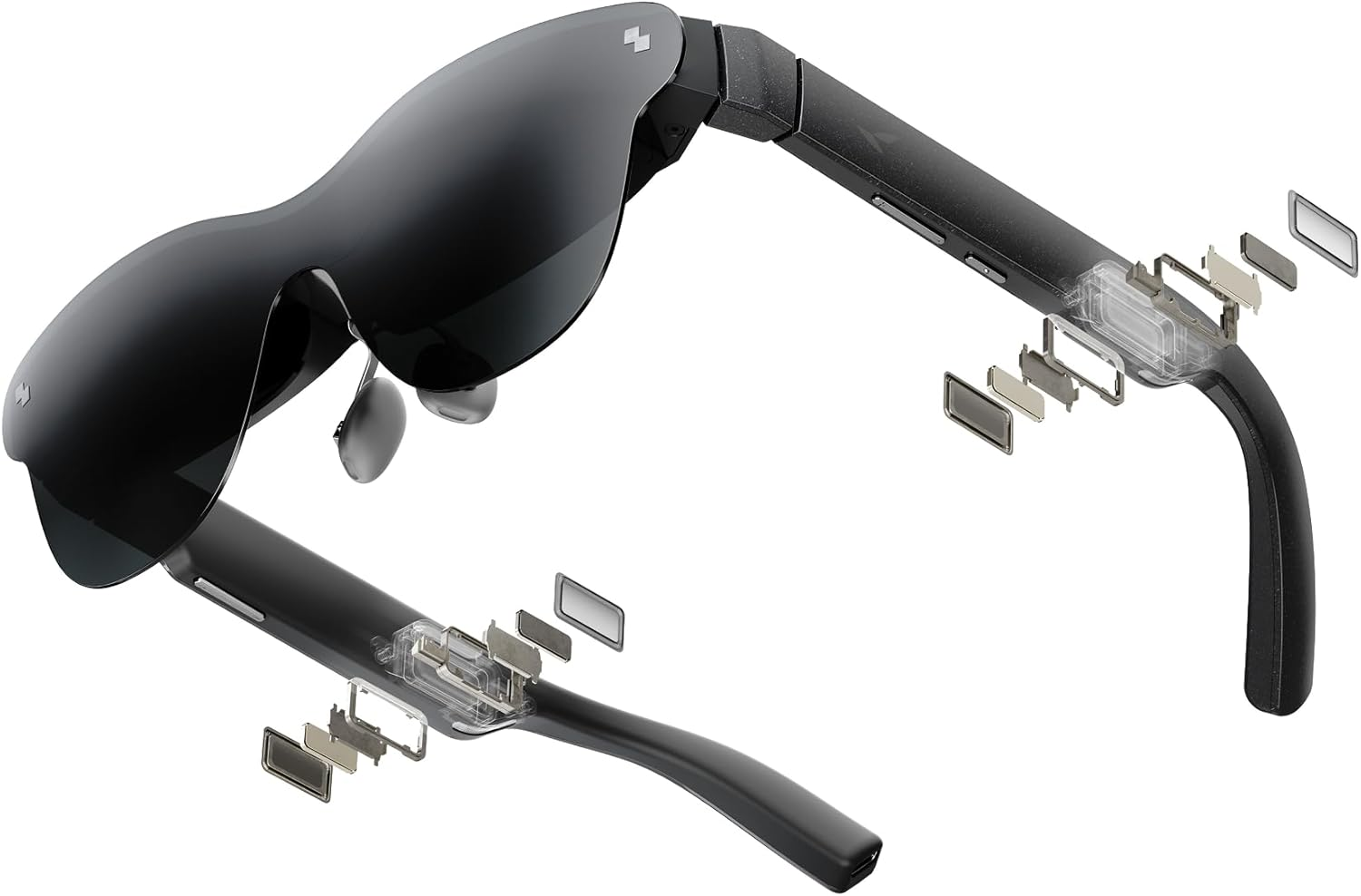
RayNeo appeals to buyers who like the idea of a more experimental and future-facing brand. It is not as socially recognizable as Ray-Ban Meta, but that is part of its appeal. RayNeo feels more like something for the buyer who actively wants to explore where smart glasses are going next.
Its lineup covers both AR viewing and more advanced AI-plus-AR ambitions. The Air 4 Pro and Air 3s Pro focus on the immersive display side. RayNeo also pushes more directly into AI-and-AR territory with a transparent MicroLED display, Gemini AI integration, and a more technical positioning. Air 3s is worth mentioning as it remains strong for general use.
Users who gravitate toward RayNeo often want more than just a stylish wearable camera. They want something that feels more like tomorrow’s computing device. This brand makes sense for early adopters, tech enthusiasts, and buyers who do not mind a slightly more niche choice if it gives them something more ambitious.
Best for: buyers who want a portable cinema or gaming screen.
Know before buying: this is still a display-glasses purchase, so phone/laptop compatibility matters more than brand hype.
Type: AR/XR display glasses
Rokid
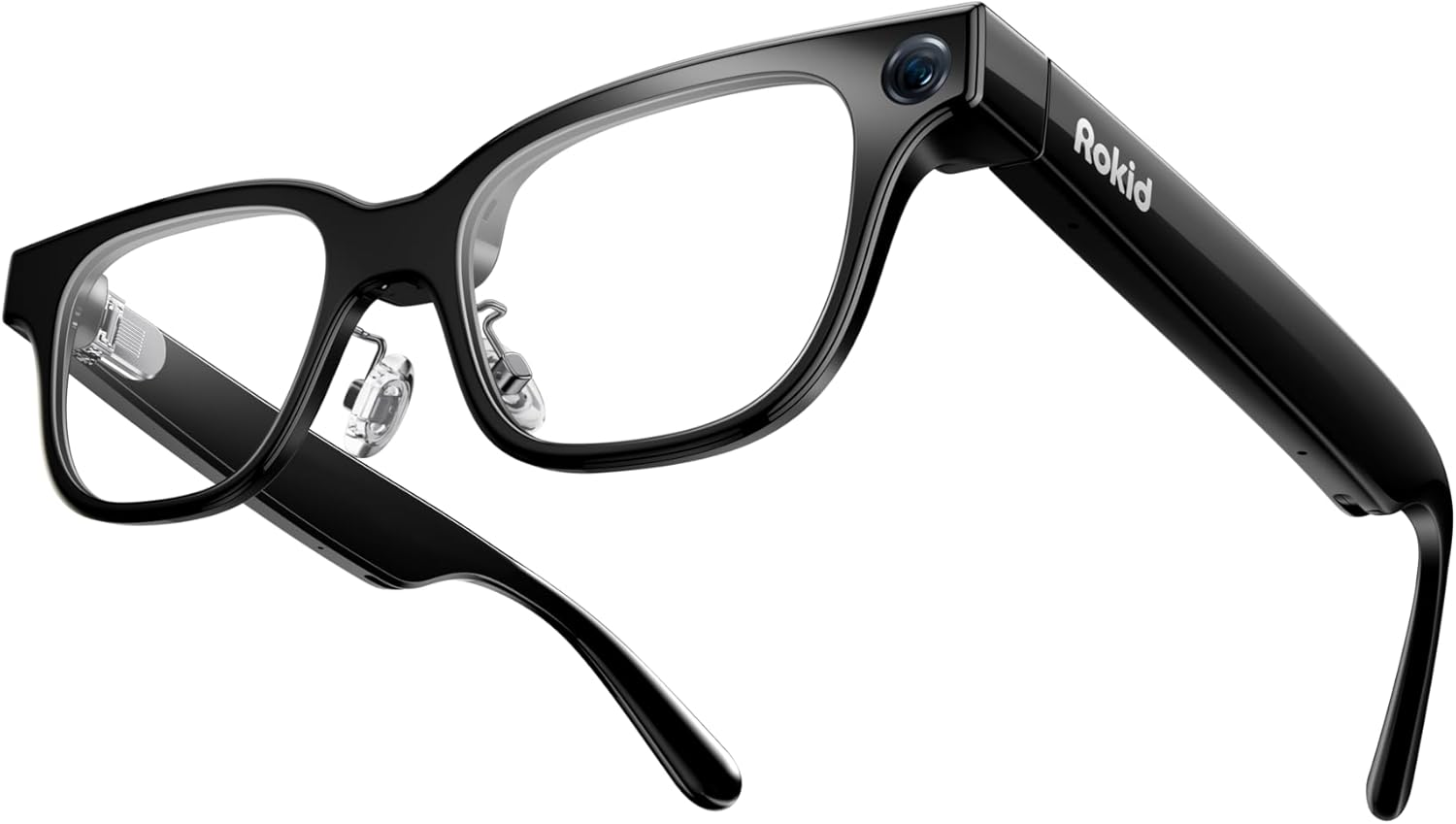
Rokid is one of the most practical-feeling brands in the category. It does not just sell the idea of smart glasses as a cool gadget. It sells the idea of smart glasses as a genuinely useful travel, viewing, or everyday assistance tool.
The Rokid AI Glasses Style has already been described as one of the best alternatives to Meta Ray-Ban, with a lightweight design, a 12MP camera, open-ear speakers, and ChatGPT integration, though the review also notes that it is not as polished as Meta’s offering. The wider Rokid family also includes display-led products such as the Rokid Max 2.
Users who prefer Rokid are often looking for value and usefulness. They like the idea of AI features, travel utility, and a more affordable path into the category. Rokid is especially attractive to readers who want smart glasses that feel functional first and brand-driven second. It suits buyers who think, “I want features that matter, and I do not need the most fashionable badge.”
Best for: buyers who want value and features more than prestige.
Common complaints: image sharpness can be mixed, and buyers should check app and regional support before purchasing.
Type: AR/XR display glasses
VITURE
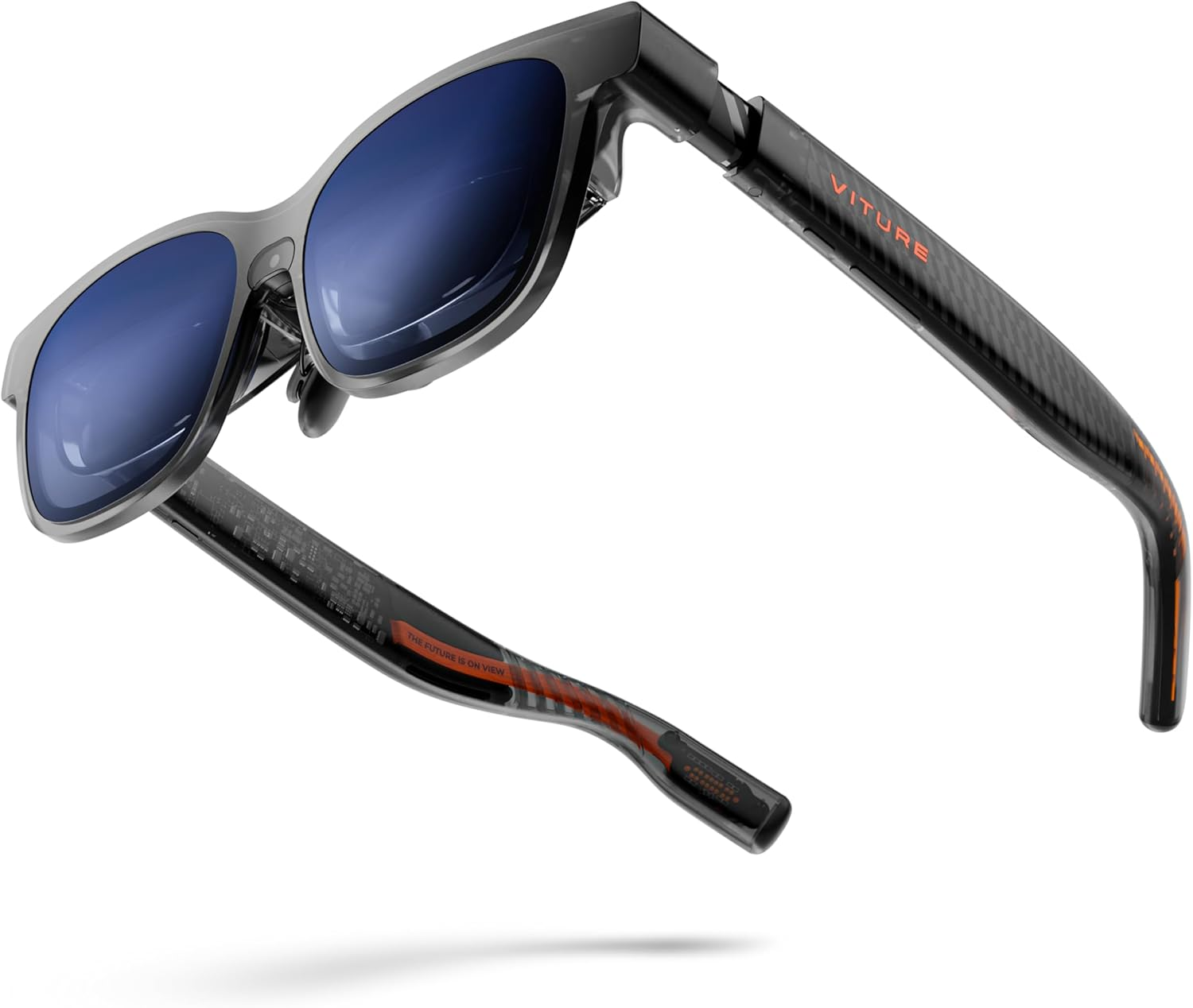
VITURE is one of the most polished premium XR brands in the market. It feels less like a basic gadget maker and more like a company trying to build a full experience around wearable displays. That is a big part of its appeal.
The current VITURE range includes products like Luma, Luma Pro and Luma Ultra, with the brand clearly separating entry-level, balanced, and power-user options. The overall impression VITURE gives is refinement. This is a brand for people who want their display glasses to feel considered, premium, and part of a wider ecosystem rather than a one-off novelty.
Users who like VITURE tend to care about product polish, media consumption, gaming, and the sense that they are buying into something a bit more premium. This is the brand for buyers who want XR glasses to feel aspirational rather than merely functional.
Best for: media, gaming, and users who like building around an accessory ecosystem.
Reality check: premium branding does not mean zero compromise; app experience and setup still matter.
Type: AR/XR display glasses
Solos
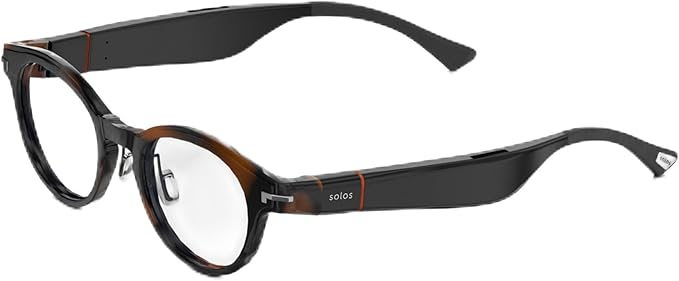
Solos is for buyers who want smart glasses that feel more openly AI-driven. The brand has pushed hard into the “AI assistant on your face” idea, and its newer products reflect that.
The Airgo v3 Parent, Airgo V3 Helium, and Solos AirGo V2 launched with a 16MP camera, live video stabilization, multimodal AI, and integration with major AI systems such as ChatGPT, Gemini, Claude, and DeepSeek. Earlier Solos models like the Solos Hydro 8 Hydro 8 also leaned into modularity, including the AirGo Vision concept and the broader AirGo family.
Users who prefer Solos are usually the kind of buyers who actively want smart glasses to feel futuristic. They like the AI angle, the experimentation, and the sense that the glasses are a living tech product rather than a fashion accessory with extra features. Solos is a strong pick for early adopters, gadget enthusiasts, and people who enjoy being ahead of the curve.
Best for: buyers who specifically want AI-assistant and translation features.
Common complaints: app quality and real-world usefulness vary too much to treat this as a universally safe buy.
Type: AI/translation budget glasses
OhO
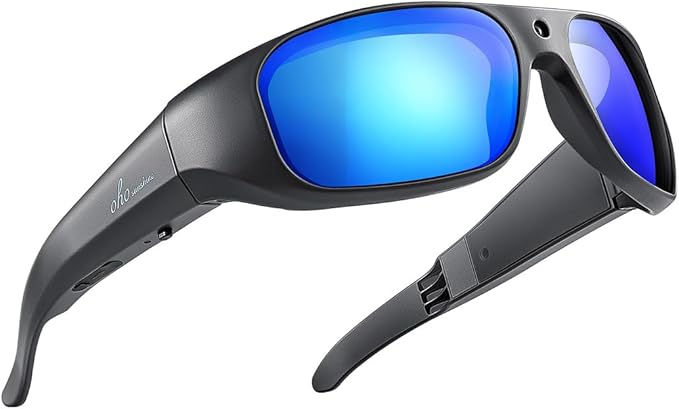
OhO is one of the easier low-cost entry points to consider. It does not try to win the smart-glasses category through prestige. It competes by making the category feel more accessible.
The brand’s Sunshine Elingo Smart AI Glasses focus on real-time translation, Bluetooth audio, and travel-friendly communication features. That alone makes OhO especially appealing as the weather warms up and more people start thinking about holidays, airport use, day trips, and practical outdoor buying.
Users who prefer OhO are often first-time smart-glasses buyers who do not want to spend premium money just to try the category. They want something easy to understand, relatively affordable, and tied to simple, practical use cases like audio and translation. This is the brand for readers who think, “I want to test smart glasses without making a luxury purchase.”
In the OhO family of glasses are OhO Sunshine Camera Glasses, OhO Sunshine Brave, OhO Sunshine Elite
Best for: first-time buyers who want to spend less and experiment.
Reality check: this is more of a budget trial purchase than a premium daily-driver recommendation.
Type: AI/translation budget glasses
Chamelo
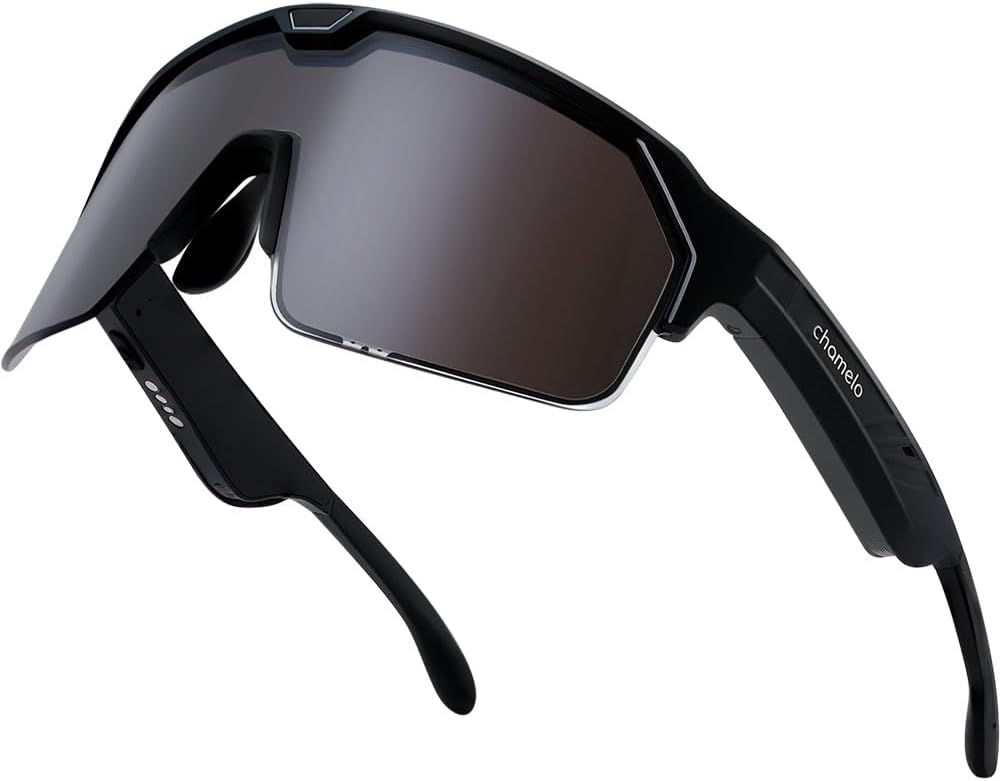
Chamelo is slightly different from the rest of this list, and that is exactly why it deserves a place here. It leans more toward smart sunglasses than toward classic AI glasses, but for many buyers, that may be the better fit anyway.
The Music Shield Gen 2 combines instant tint control with open-ear audio and a sporty outdoor design and comes with a fashion-led electrochromic angle. Chamelo’s appeal is less about AI assistant features and more about wearability, fun, outdoor use, and visual flair.
Users who choose Chamelo are usually more interested in summer style, riding, running, festivals, bright weather, and outdoor convenience than in AI-powered productivity. This is the brand for readers who want smart eyewear to feel enjoyable and seasonal, not serious and technical.
Best for: running, cycling, festivals, and bright-weather outdoor use.
Not really for: buyers who want AI assistance, photography, or a private display.
Type: smart sunglasses
Which brand should most people start with?
For most readers, Ray-Ban Meta is still the easiest recommendation. It gives the clearest combination of brand trust, mainstream style, and genuinely useful smart features. If there is one pair that feels like the safest smart-glasses purchase for a wide audience, it is still the Ray-Ban Meta Wayfarer (Gen 2).
But that does not mean it is automatically the right choice for everyone.
If you want smart glasses mainly for sport and movement, Oakley Meta makes more sense. If you want a private screen for films, gaming, or work, XREAL, VITURE, RayNeo, and Rokid are more relevant. If you want a more AI-experimental feel, Solos is the name to watch. If you want to keep costs down, OhO is easier to justify. And if you want something that feels more like smart sunglasses for warm weather, Chamelo has a clear place.
The best smart-glasses brand is not just the one with the best specs. It is the one that matches how you actually want to wear them.